Apple Intelligence Is Finally Coming to China — Powered by Alibaba's Qwen
More than two years after Apple Intelligence debuted in the US, it is finally coming to mainland China — on a different engine. Apple confirmed on October 31 that testing begins November 4 in the latest iOS developer beta, with a public rollout in December alongside iOS 27.3. And the model behind it in China will not be ChatGPT. It will be Alibaba’s Qwen.
What Chinese iPhone users actually get
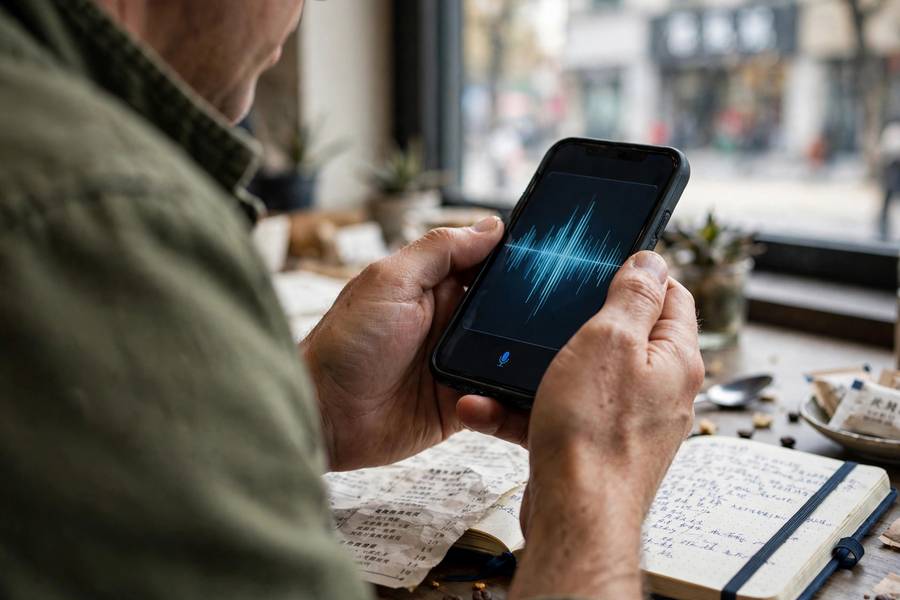
For “certain requests,” Siri will be able to call on Qwen’s knowledge, while Writing Tools and Visual Intelligence gain Qwen-powered text and image understanding and content generation. In practice that means asking questions about photos and documents — PDFs, presentations, menus, street signs — and generating original content through Writing Tools, with the improved Siri experience including Type to Siri.
There is a notable catch. This release does not include Siri AI or the other next-generation Apple Intelligence features Apple announced at WWDC 2026. It is the earlier generation of Apple Intelligence features: Writing Tools, Genmoji, Clean Up, Notification Summaries, Priority Notifications, Visual Intelligence, and Live Translation with AirPods.
The first wave is iPhone-only. Apple says Mac, iPad and other platforms in China will follow only after the necessary regulatory approvals are obtained. Eligible devices are the iPhone 15 Pro and Pro Max, the iPhone 16 family and later, iPhone Air, and iPhone Duo, with both the device and Siri languages set to English or Simplified Chinese. Eligibility covers users who bought an Apple Intelligence-capable iPhone in China, or whose device location and Apple Account country or region are both set to China.
Why it took so long — and why Qwen
Apple Intelligence launched in the US in 2024, but bringing a US-built AI system to China meant clearing regulatory hurdles that ChatGPT, unavailable in China, could never pass. A key barrier fell in July, when China’s cyberspace regulator registered Apple’s on-device generative AI service for use on iPhones. Alibaba said at the time that Qwen would be incorporated into Apple Intelligence across Apple’s platforms in China — and Saturday’s announcement makes that concrete for the iPhone first.
Alibaba CEO Eddie Wu framed it as a deep integration: “Drawing on Alibaba’s deep AI capabilities, Qwen will be deeply integrated into experiences across the Apple ecosystem.” For Apple, the deal keeps its AI story intact in its second-largest market without building a China-specific model from scratch. For Alibaba, it puts Qwen at system level on hundreds of millions of iPhones — the first time, as one expert quoted in the coverage put it, a top global consumer hardware maker has used a Chinese large model as its primary system-level AI backbone in the Chinese market.
Privacy is the obvious question, and Alibaba has answered it directly: requests sent to Qwen through Apple Intelligence, and the answers it generates, will not be used to train its models. The integration is also opt-in — users choose whether to enable it.
What to watch next
Three things will decide whether this lands well. First, the beta itself: November 4 is a developer-beta date, not stable access for every customer, and real-world tests in Simplified Chinese — formal and casual registers, real photos rather than demo images — will show where Qwen’s strengths differ from ChatGPT’s. Second, the December public release, which needs to hold its date. And third, the regulatory clock for iPad, Mac and visionOS, which Apple has not dated.
Two years late is still a landmark: the world’s most valuable phone maker has finally shipped AI in China, and it did so by handing the keys to a local model. The rest of the industry — every Western lab eyeing the Chinese market — will be watching how this compromise holds up.
Sources: Apple Newsroom (China) announcement, Oct 31, 2026, via 9to5Mac and MacRumors; Alibaba announcement via BusinessToday, Nov 1, 2026; China Daily / Xinhua via MCI Group, Oct 31, 2026. Note: the November 4 beta date is China time; MacRumors notes it likely falls on November 3 in the US.