REA: The Reverse-Engineering MCP Server That Gained 200,000 GitHub Stars in a Week
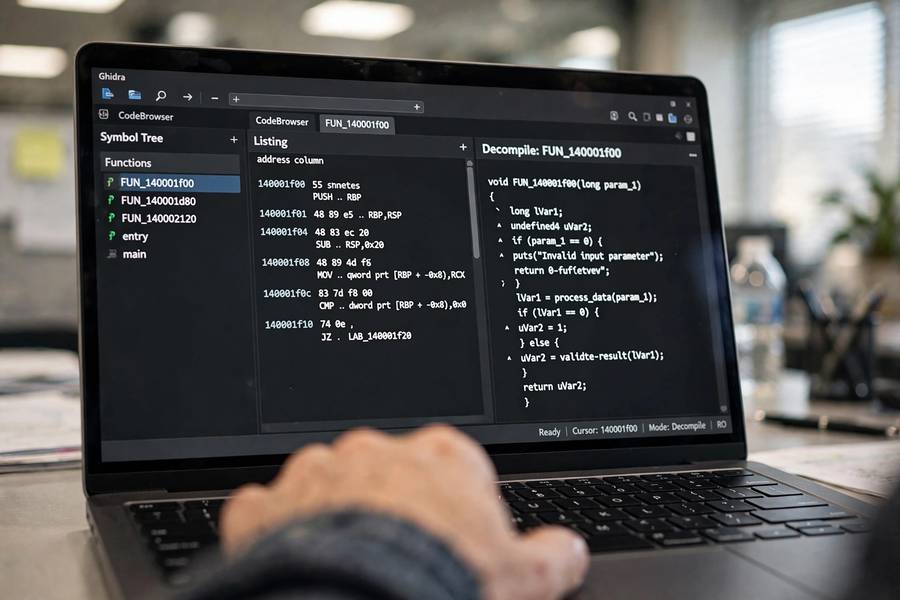
The fastest-growing GitHub repository of the month is a reverse-engineering coordinator. REA — “Reverse Engineer Anything” — lets an AI coding agent interrogate compiled software the way a human specialist would: point it at a native binary, an Electron app, a .NET assembly, an Android APK, a website, or a saved network capture, ask “how does this feature work,” and it returns pseudocode, module graphs, and the evidence behind each claim.
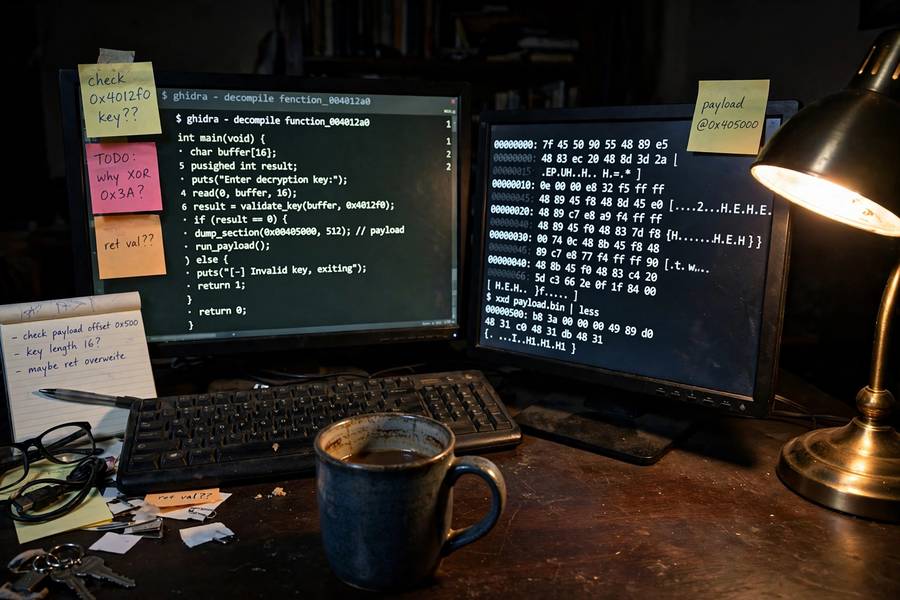
Setup is one command — npx rea-agents setup — and the agent connects through MCP to existing analysis engines: Ghidra, IDA Pro, Hopper for native code; headless JADX for Android APKs; Binwalk/Unblob for firmware; plus its own readers for JavaScript, Electron, and .NET. REA itself decompiles nothing — it is the bridge between the agent and the tools that do the real work.
The numbers behind the virality
The trajectory is hard to ignore. REA sat mostly unnoticed after its April release — under 10,000 stars for six months — until version 6.0.0 shipped on October 8. The repo passed 115,000 stars by October 12, 252,000 by October 15, and is now over 290,000. In one week it gained roughly 240,000 stars. AI educator Matthew Berman posted two words that became the meme of the moment: “Software is done.”
Software is not done. But the demos are genuinely arresting: REA digging into Notion’s clipboard handling, reconstructing the sound algorithm of the classic Windows game DX-Ball, extracting bullet patterns from the Japanese shooter series 東方幻想鄉 — and a parallel wave of retro games (Halo, Half-Life, Diablo, GTA5, Modern Warfare 2) being made playable in browsers with agent-assisted reverse engineering.
What the hype is missing
Strip the meme layer and the story looks different. First, this is repackaging, not invention — the decompilers underneath (Ghidra et al.) have existed for years, and equivalents like GhidraMCP and IDA Pro MCP predated it. What changed is not the technology but the audience: this wave was driven by AI bloggers and tech accounts, not the security researchers who normally care about such tools.
Second, the tool overpromises in practice. Developers report REA declaring analysis “complete” while missing real function calls, and sometimes answering questions without calling its tools at all. Users complain its long tool descriptions bloat the agent’s context window. And some things were never in scope: server-side logic is unreachable by design — no client-side tool can reverse what lives on someone else’s server.
The backlash from the old guard
The sharpest criticism came from the reverse-engineering establishment. Elias Bachaalany — co-author of Practical Reverse Engineering and former Hex-Rays (IDA) engineer — called the hype 炒作 and listed the earlier tools that did the same job. Duncan Ogilvie, author of the debugger x64dbg, solved this year’s Flare-On challenge in about an hour using IDA’s own MCP plugin — a quiet reminder that the old tools were already where REA claims to be going.
None of which stops REA from being genuinely useful. For interoperability work, legacy-binary forensics, or just answering “why does this app do that,” it turns an afternoon of staring at decompiler output into a conversation. The 290,000 stars are real votes — just not votes for “software is done.” They’re votes for the idea that the next generation of developers will learn their craft by asking an AI to take software apart for them.
Sources: DeepTech深科技 via 新浪财经 (Oct 17, 2026); xiaochun-blog morning brief (Oct 16 GitHub trending data); 投资界 deep dive; star figures as reported by community coverage — check the live repo for current counts.