NVIDIA's GTC Berlin Playbook: Selling the Whole Stack, Not Just the Chip
On October 21, Jensen Huang took the stage in Berlin with a message that had little to do with any single GPU: NVIDIA wants to own the entire deployment path of enterprise AI — the factory, the governance layer, the enterprise data plumbing, and the robots at the end of it.
DSX POD: the data center as a product
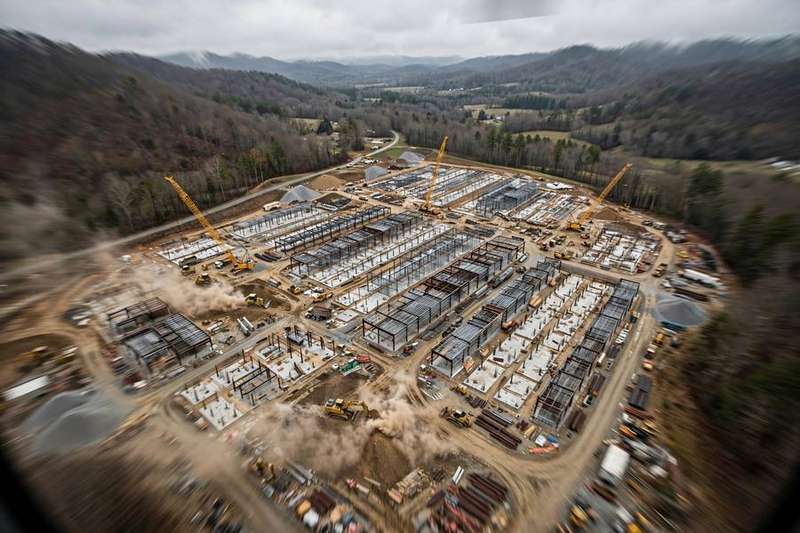
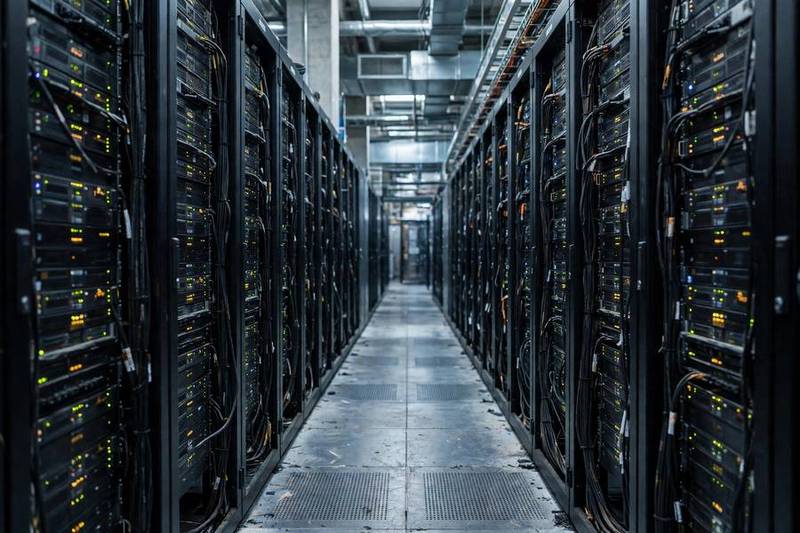
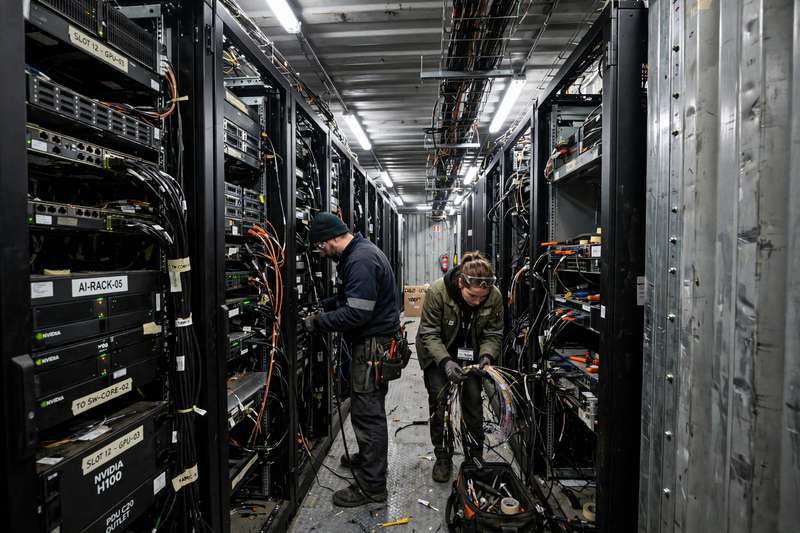
The headline infrastructure announcement was DSX POD, a modular reference design that packages a Vera Rubin AI factory — compute racks, networking, power, cooling, management — into containerized units assembled and validated at partner factories. NVIDIA says this can cut on-site deployment from about six months to as little as 14 days, provided the site’s utilities are ready. Deliveries are expected from early 2027.
The timing is not accidental: on the same day, Google Cloud and NVIDIA announced that A5X instances built on Vera Rubin go generally available in November, with Google planning to scale to as many as 960,000 Rubin GPUs across multiple sites. NVIDIA is no longer just selling chips and hoping someone builds the data center — it is selling the data center too.
OpenShell: governance is the new moat
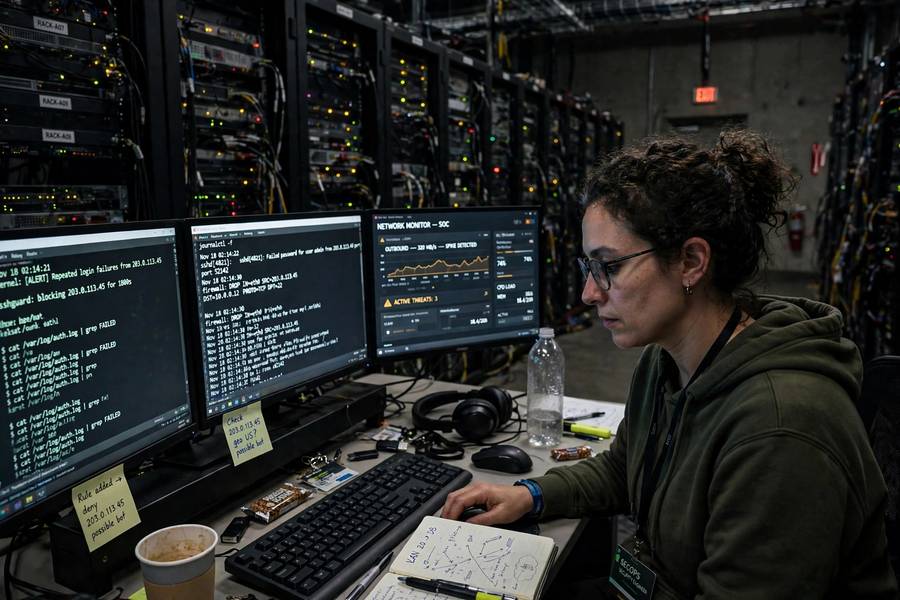
The more strategically interesting announcement was OpenShell, an open-source runtime that puts security and governance controls around AI agents — which files, networks, and physical systems an agent may touch — enforced outside the agent’s own decision-making. NVIDIA’s framing is blunt: a model should not be the sole judge of whether its own actions are safe.
It landed in a week that made the point for them. A backdoored LiteLLM 1.107.0 release shipped trojanized PyPI and Docker images that stole cloud and LLM provider keys, and OpenAI announced that model routers and gateways will need its approval starting November 20. The agent layer is where the money and the keys are moving — and where the guardrails are thinnest. OpenShell is NVIDIA’s bid to own those guardrails.
The bottleneck is no longer the chip
Perhaps the most telling numbers from Berlin were not FLOPS figures: NVIDIA is paying suppliers up front to remove packaging, substrate, and testing bottlenecks. Six supply-chain partners are expanding capacity; chip-substrate capacity rises 2.5x over three years; SPIL’s co-packaged-optics capacity jumps 15x by mid-2027; and NVIDIA is advancing $1.1 billion to KYEC for new US chip-testing plants. The constraint on AI compute has moved downstream of the wafer — and NVIDIA is buying its way through it.
What it adds up to
The partner cascade — CoreWeave, HPE, Vertiv, Cadence, Iren in data centers; Agility Robotics, Einride, Aptiv in machines; T-Mobile’s first AI-RAN commercial call; Amkor’s $1.3B Korea packaging deal — reads like a company assembling an end-to-end industrial system, not a chip vendor. Add the Agent Knowledge Foundation (enterprise data plumbing for agents) and the physical-AI push, including Agile Robots’ reported plan to build 1,000–2,000 humanoids in 2027 on NVIDIA technology, and the pattern is unmistakable: NVIDIA is selling the whole stack, one layer at a time.
The open question is whether “open” stays open. OpenShell is open source; the compute it governs increasingly flows through NVIDIA-defined reference designs and NVIDIA-financed capacity. The stack is becoming the product — and the product is becoming the platform.
Sources: AI Edge Insights — GTC Berlin 2026, AI News Today briefing (Oct 22, 2026), AI News Insight briefing (Oct 22, 2026). Production plans, capacity figures, and availability dates are the companies’ stated targets as reported.