UK Unveils £100M AI Biosecurity Lab, With OpenAI and Anthropic Pledging Up to £200M in Model Credits
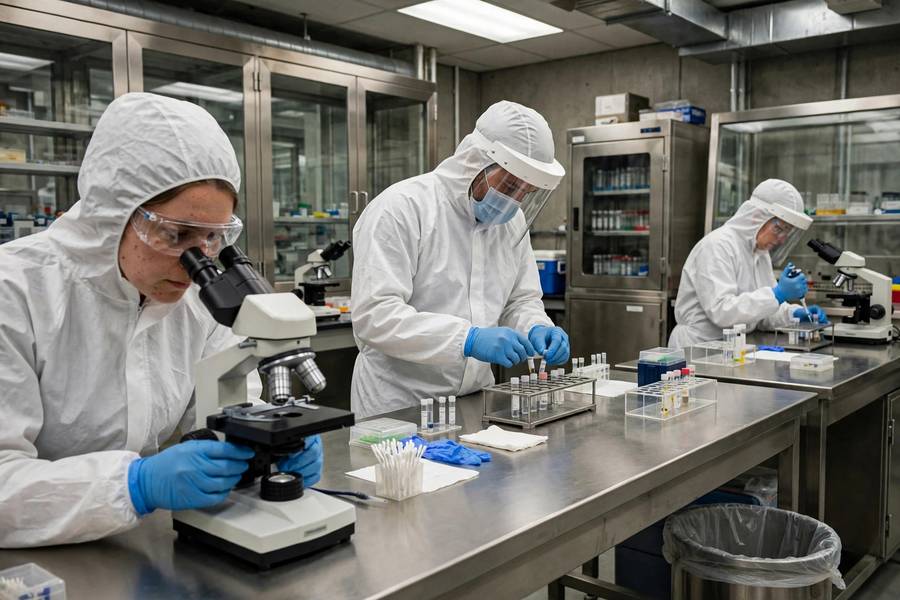
Britain is putting public money — and two rival AI labs — behind biosecurity. The UK government announced on October 23 that it will fund a new AI Biosecurity Lab (AIBL) with £100 million, describing it as the “world’s first dedicated AI biosecurity organisation.” The lab will use AI to help understand, prevent, detect and respond to biological threats.
The announcement sits inside a wider National AI Biosecurity Initiative, and it comes with a separate £65 million government line for developing countermeasures against pathogens.
The headline numbers, kept separate
Three figures anchor the package, and they do different jobs — adding them into one total would mislead:
- £100 million from the UK government to establish the lab.
- Up to £200 million combined from OpenAI and Anthropic — but, as the BBC reports, in the form of AI model credits, not cash.
- £65 million from the government, separately, for pathogen countermeasures.
Google DeepMind and Basecamp Research are named as research partners. Their scope of work and funding have not been disclosed.
Credits are not cash — and that matters
A model credit buys access to a company’s models and compute. It does not pay for laboratory staff, equipment, or sequencing runs. It also steers the lab toward the donors’ own products: credits only work on those models, and researchers who build workflows around a model tend to keep using it once the credits run out.
None of that makes the deal hollow. Biosecurity researchers genuinely need heavy model access, and the labs can supply it faster than a ministry can procure it. But the structure explains why OpenAI and Anthropic sign up readily: the credits likely cost them less than face value if the models run on spare capacity, and the commitment buys political goodwill with a government that has made AI security a funding priority.
The “up to” matters too. A ceiling is not a payment. Until the companies publish terms, nobody outside the deals can say how much of the £200 million will be drawn, over how many years, or against which milestones.
What the lab is actually for
The government’s four verbs each imply different work. Understand points to research on how pathogens behave and how AI systems interact with biological knowledge. Prevent suggests testing whether advanced models could help a bad actor, and designing safeguards. Detect implies surveillance and early-warning tools. Respond covers speeding the path from a detected threat to a usable countermeasure.
UK AI minister Kanishka Narayan set the ambition high, saying the lab should become a major global institution “bringing together world-leading scientific expertise to protect people from emerging biological threats.”
What is not yet known
The lab is being established, not already operating. No source reviewed says when it opens, where it will sit, or who will lead it. Any claim that AIBL is live today is wrong.
The announcement also lands inside a bigger package: on October 24 the government unveiled a £600 million-plus sovereign AI and defence technology programme, ahead of the Budget on October 28, with the biosecurity lab as its headline item.
The UK has spent three years building a position as a convener on frontier AI risk — from the Bletchley Park summit in November 2023 to renaming its AI Safety Institute as the AI Security Institute in February 2025. AIBL turns that convening role into a funded institution. Whether it becomes a global centre of excellence or a well-branded funding line will depend on the delivery plan the government has not yet published: a location, a director, and terms for those credits.
Sources: Tech Insider — UK £100M AI Biosecurity Lab (Oct 24, 2026), reporting GOV.UK, BBC, Bloomberg and The Register coverage; Wall Street Next — Britain unveils £600M plan (Oct 24, 2026). Location, leadership and opening date remain unconfirmed in the sources reviewed.