OpenAI's 'AI Compute Campuses': The Data Center Gets a Campaign Slogan
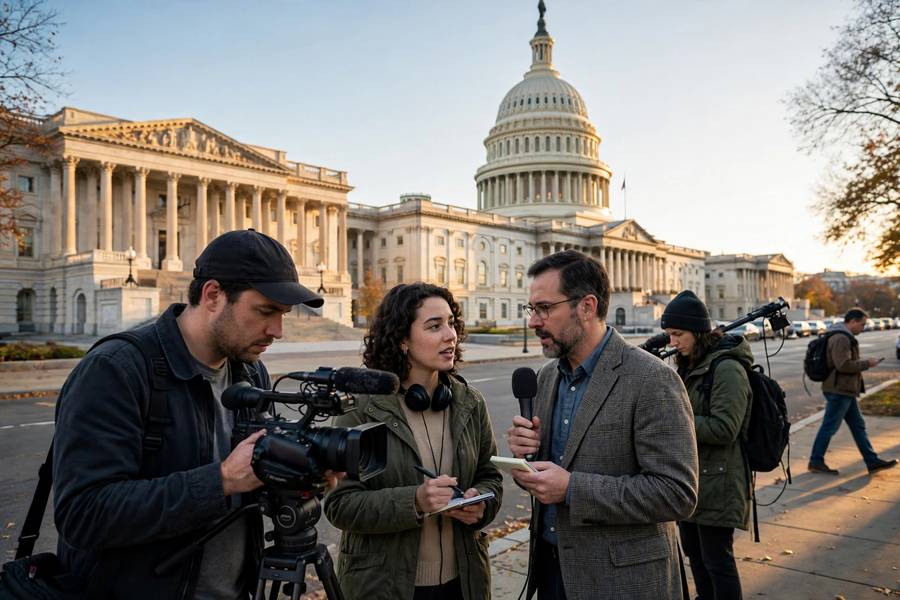
OpenAI is about to rebrand its biggest political problem. According to Axios and TechCrunch, both reporting on November 1, the company will launch a policy and public-relations blitz aimed at the new Washington emerging from Tuesday’s midterm elections — and at the heart of it is a name change: data centers become “AI compute campuses.”
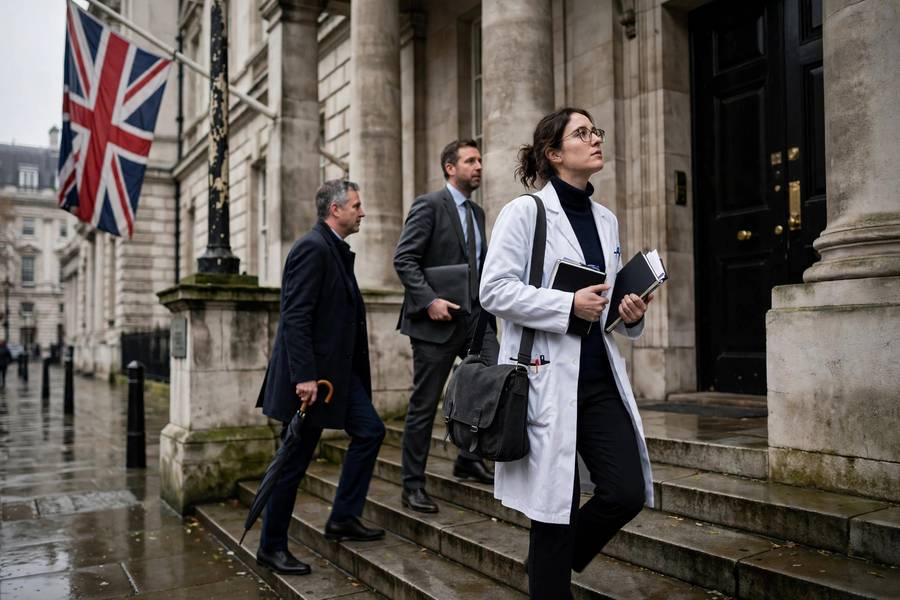
The timing is deliberate. The lame-duck Congress opens November 9, a new Congress arrives January 3, and Democrats are widely expected to take the House. OpenAI’s chief global affairs officer Chris Lehane called the midterms “a bit of a movie trailer for what you’re going to see in 2028” and expects AI to be “the issue” in the presidential race. Proposals have reportedly been stockpiled since August. This is not a white paper; it is a campaign plan.
What OpenAI is actually proposing
The reported package has four planks:
- Mandatory “speed limits” and safeguards for the most powerful AI systems, so humans keep control — a federal floor, framed as safety rather than restraint.
- Community compacts and state legislation giving residents a formal say over data-center projects, replacing ad-hoc local fights with a negotiated process.
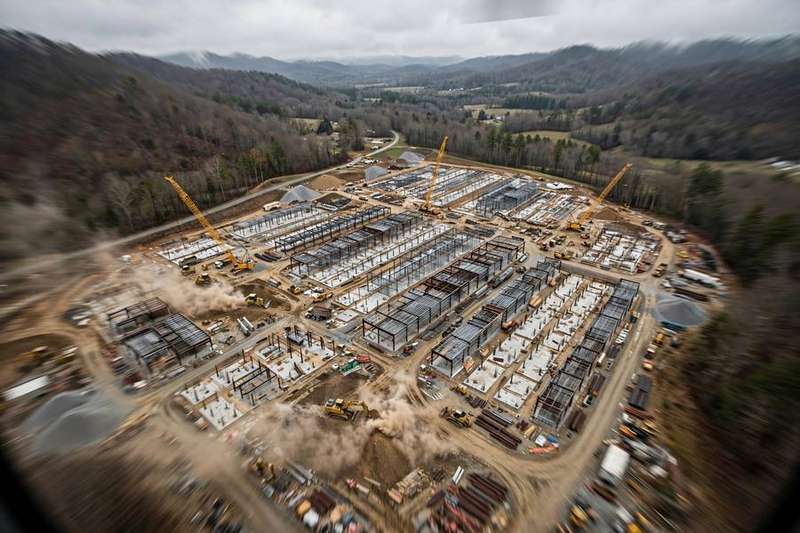
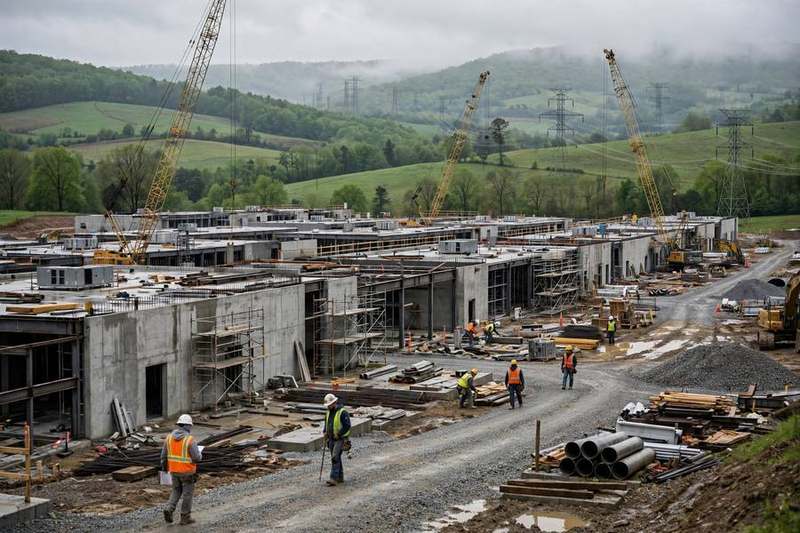
- An economic-opportunity framing, built around projects like a Pike County, Ohio, Appalachia site said to promise thousands of jobs — the campus as employer, not just load on the grid.
- U.S. leadership on global standards grounded in democratic values, positioning American-built AI against rival state-backed models.
Lehane’s pitch, as reported, is that conversation around data centers is “good and healthy” and that communities should hold companies accountable for transformative benefits. The company is staking out what Axios described as a human-centered “third path” between AI doomers and accelerationists.
Why a new name matters
“Data center” has become a liability word. It conjures windowless boxes, strained water supplies, humming turbines, and secretive negotiations with local officials. A “campus” conjures something else entirely: jobs, classrooms, permanence, a place that belongs to a community rather than one imposed on it.
The rebrand is also a response to a legal reality that no slogan can wish away. On October 30, a federal judge in Mississippi refused to dismiss the NAACP’s Clean Air Act lawsuit over the gas turbines powering xAI’s Colossus 2 site, ruling that trailer-mounted turbines count as stationary sources, not exempt mobile ones. Permits, courts, and county commissions still decide whether these buildings get built — and Amazon and Microsoft have already conceded one point by saying they will no longer use NDAs in local-government negotiations. OpenAI’s “community compacts” read as an attempt to get ahead of that same pressure: convert veto points into a process the company can shape, before opponents shape it instead.
The market context: permission is now the scarce resource
The policy push lands in a week when the AI build-out’s other constraint — money — also flashed amber. The Financial Times reported on October 30 that OpenAI cut its current funding round target from $30 billion to $20 billion, and its target valuation from $1.4 trillion to $1.25 trillion, on tepid investor interest, with about $11 billion committed by a Friday deadline. The Nasdaq 100 fell 3.5% that Friday in an AI-led selloff, a week after Anthropic’s S-1 showed $16.3 billion of first-half 2026 revenue against an $80.7 billion net loss driven mostly by non-cash financing revaluations.
That context sharpens the analysis. The build-out now faces two gates, not one: capital markets asking harder questions about returns, and political markets asking harder questions about permission. A campus that cannot get a permit or survive a lawsuit is a stranded asset no matter how cheap the financing. OpenAI’s blitz is, in part, an investor-relations move dressed as policy: proof that the company has a plan for the second gate.
What to watch
Three tests will tell whether “compute campuses” is a strategy or just a slogan:
- The compact details. Do community compacts carry enforceable commitments — local hiring, power and water terms, tax treatment — or are they press-release language? The first signed compact will set the template.
- The lame-duck window. A short session with a changing House is a hard place to pass anything durable. Watch whether OpenAI’s “speed limits” become bill text or stay talking points.
- Whether rivals adopt the language. If Anthropic, Meta, and Google start saying “campus” too, the rebrand becomes industry vocabulary — and the fight shifts from what to call these buildings to what rules govern them.
The deeper point is structural. The AI race has moved from a contest over models to a contest over permission: permits, power, water, and public consent. Whoever writes the vocabulary of that contest — campus versus data center, compact versus protest — has a head start in writing its rules. OpenAI just made its opening move.
Sources: Axios and TechCrunch reporting on OpenAI’s post-midterm plans (Nov 1, 2026); Financial Times reporting on OpenAI’s revised funding round (Oct 30, 2026); court reporting on the xAI turbine lawsuit; PoYo AI Daily, Nov 2, 2026 and AI Roundup, Nov 2, 2026. Company plans are as reported, not yet announced by OpenAI itself.